
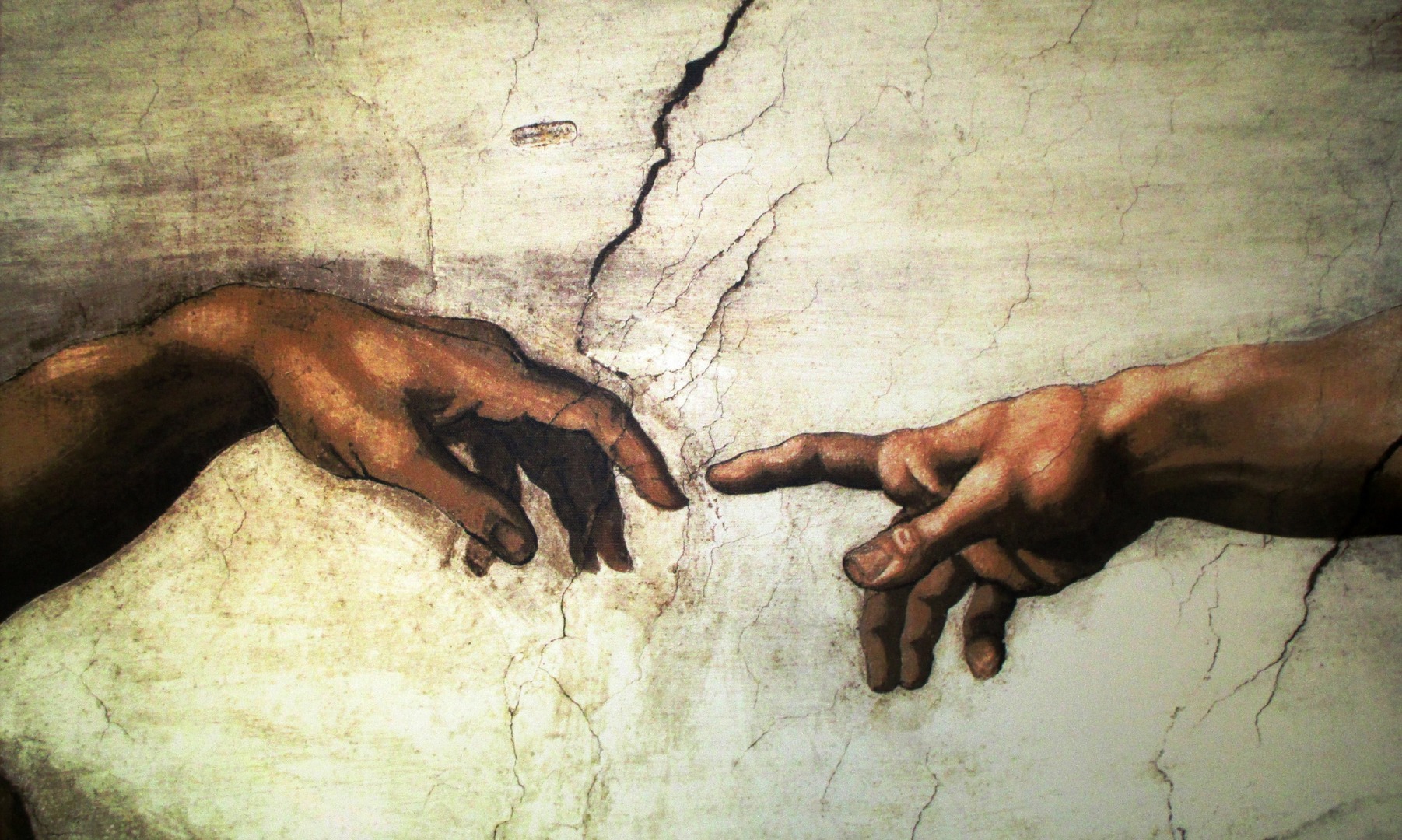
The Word Incarnate, as is the case with the Invisible God, is known to us by His works. By them we recognize His deifying mission… For He was made man that we might be made God.
— Athanasius, On the Incarnation
Athanasius’ Little Gods Doctrine
Athanasius of Alexandria is a major figure in the Nicene and Post-Nicene Church who is known for vigorously defending the deity of Christ and the doctrine of the Trinity. While these doctrines are accepted in modern Christian theology, what’s often missed is the way in which he defined and defended these views.
Where his rival ideologue Arius brought Jesus down to the level of a mere creature, Athanasius elevated common man to the level of divinity. Both of these views reflect a fundamental misunderstanding of creation and the incarnation of Christ, and trinitarians need to recognize that this early champion of the Trinity had significant flaws in his framing of God’s word.
Theological Backdrop of Athanasius’ Little Gods
As we discussed in the article about his gnostic influences, Athanasius had a view of the fall of man which centered around a failure to contemplate God over the material realm. For Athanasius, man is by nature corrupt on account of his being called out of nothing, but his contemplation of the Word stays this natural trend to return to nothingness. In essence, man is created in the image of the Word, and his continued contemplation of the Word sustains this image. The image in turn secures him a divine portion of the Word, making him truly divine.
Our creation and God’s Incarnation [are] most intimately connected. As by the Word man was called from non-existence into being, and further received the grace of a divine life, so by the one fault which forfeited that life they again incurred corruption and untold sin and misery filled the world…
For man is by nature mortal, inasmuch as he is made out of what is not; but by reason of his likeness to Him that is (and if he still preserved this likeness by keeping Him in his knowledge) he would stay his natural corruption, and remain incorrupt; as Wisdom [ Wisdom 6:18 ] says: ” The taking heed to His laws is the assurance of immortality; ” but being incorrupt, he would live henceforth as God, to which I suppose the divine Scripture refers, when it says: ” I have said you are gods, and you are all sons of the most Highest; but you die like men, and fall as one of the princes.”
Athanasius’ meaning is made clear by his citation of Psalm 82, a text which is often used by the cults to deify man. In his unfallen state, man is made divine by virtue of the image of God impressed into him. This differs from modern theologians, who will generally view the image of God as “finite replicas of God’s infinite qualities” (John M. Frame, Systematic Theology, p. 785). To put it simply, modern theology views man as a type or replica of God with no intrinsically divine qualities, whereas Athanasius views man as an incarnation of God. Hence his words, “Our creation and God’s Incarnation [are] most intimately connected.”
Image of God as Substance of God
Some of Athanasius’s statements about the divinity of unfallen / redeemed man could perhaps be passed over as issues of translation, though the context of the above quotes would seem to push strongly against this resolution tactic. More importantly, it flows logically from his system of theology, which treats the image of God in man as if it were the substance (divine nature) of God in man. This is implied and assumed throughout his work, but is most succinctly stated by his mentor Alexander in the deposition of Arius.
Or again, how is He “unlike in substance to the Father,” seeing He is the perfect “image” and “brightness [ Hebrews 1:3 ] “of the Father?
Because Athanasius and Alexander conflate the nature of God with the image of God, their system necessarily deifies man, since we are created in the image and likeness of God. They recognize our creaturely status, but nevertheless assign us a “portion of the Word” in our unfallen and redeemed states that truly turns us into little gods. In contrast to this, scripture describes man in his unfallen / redeemed state as a temple within which God dwells (1Co 6:19), affirming the high dignity and purpose of man, but never conflating our status as creatures with the divine nature that dwells within.
Modern orthodox theologians generally view the little gods theory as a heresy, yet hail Athanasius and Alexander as heroes of the faith whose trinitarian system is beyond question at this point of history. While these church fathers certainly may be great men in God’s eyes, it is an error to grant their system of theology the degree of infallibility that should be reserved for scripture alone.
The trinity is a system of theology, nothing more and nothing less. Like Dispensationalism, Covenant Theology, Calvinism and Arianism, it is contingent on biblical revelation, and should be open to critique and debate as such. Trinity Berean works to do just that, seeking to highlight the good and the bad aspects of the trinitarian system, and pursuing a more biblical system to compete with it.